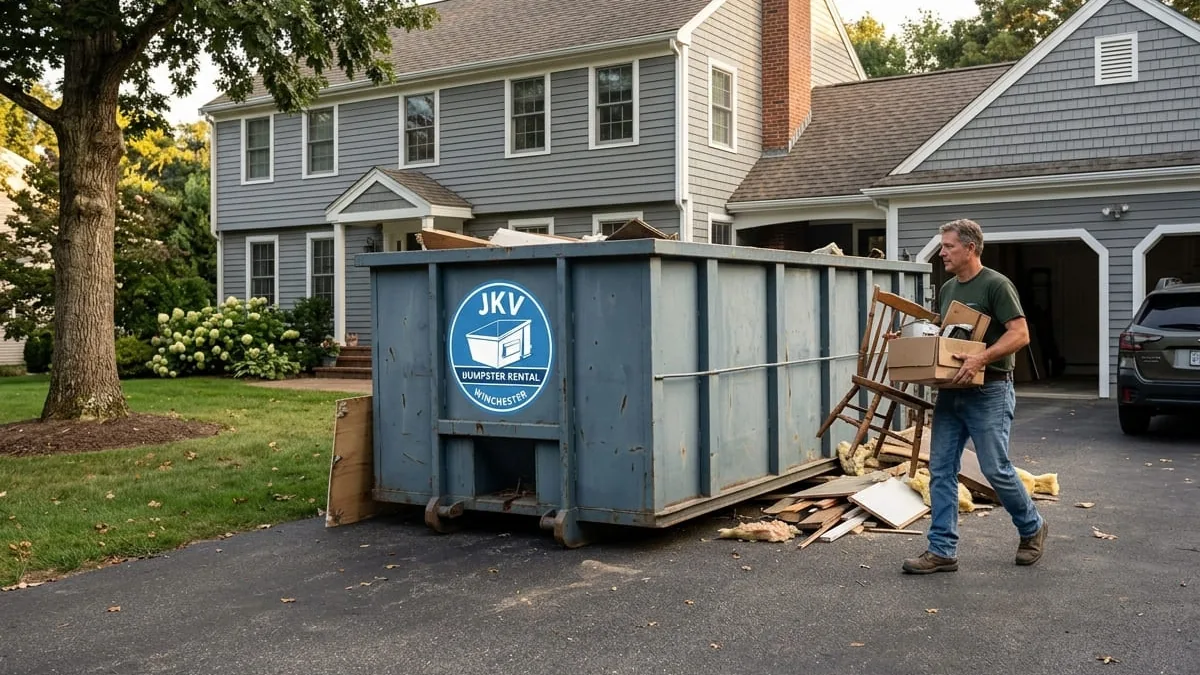
Clearing out a family home is one of those jobs nobody really trains you for. Maybe you're settling an estate after losing a parent, helping a relative downsize into assisted living, or finally tackling a house that's been in the family for decades. Whatever brought you here, it usually comes with a deadline, a lot of decisions, and more emotion than a typical cleanup. Having a plan helps — not to rush the process, but to make it feel manageable instead of overwhelming.
This checklist is built from what actually works when families take on an estate cleanout in and around Winchester. It's not about doing everything in one weekend. It's about knowing what order to do things in, so you're not digging through a dumpster later for a document you tossed in a hurry.
Handle Paperwork and Valuables Before Anything Else
Before a single box gets sorted for donation or disposal, walk the house with the goal of pulling out anything that falls into these categories:
- Legal and financial documents — wills, deeds, insurance policies, tax records, bank statements
- Jewelry, coins, watches, and small valuables, including costume jewelry mixed in with the good stuff
- Photographs, letters, and family records
- Firearms, which have their own legal handling requirements separate from general cleanout
- Keys, safe deposit box information, and anything that might unlock a next step in settling the estate
This step alone can take longer than people expect, especially in a home where things were tucked into drawers, coffee cans, and shoeboxes over many years. It's worth doing slowly and, if possible, with a second person present so nothing gets missed or misplaced under stress.
Sort Everything Else Into Three Piles
Once the paperwork and valuables are secured, the rest of the house comes down to three simple categories: keep, donate, and dispose. Furniture in good condition, working appliances, and usable household goods are worth setting aside for donation. Items that are broken, worn out, outdated, or simply not wanted by anyone in the family are candidates for the dumpster. Family members should get a chance to walk through and claim anything sentimental before either pile grows too large.
A Step-by-Step Checklist
- Secure the house and change or collect keys if needed.
- Walk through and pull all paperwork, valuables, and firearms first.
- Give family members a window to claim sentimental or meaningful items.
- Set aside furniture and goods in good condition for donation.
- Identify hazardous items (paint, propane, chemicals, batteries) to handle separately rather than placing in a dumpster.
- Estimate the volume of what's left to decide on dumpster size.
- Schedule dumpster delivery for a date after the sorting above is mostly done, not before.
- Load room by room, starting with the areas generating the most volume — basements, attics, and garages tend to fill a container fast.
- Arrange donation pickups or drop-offs for the items set aside.
- Do a final walkthrough once the house is empty to catch anything left behind.
Where Donations Can Go
Winchester and the surrounding area have a range of local thrift stores, charitable organizations, and church-run donation programs that accept furniture, housewares, clothing, and working appliances. Many will schedule a pickup for larger items if you call ahead, which can save you from moving heavy furniture twice. It's worth calling a couple of options before the cleanout starts so you know their drop-off hours and any size or condition limits, since these can vary from one organization to the next.
Choosing the Right Size: 20-Yard or 30-Yard
Estate cleanouts tend to generate more volume than people expect, simply because a home lived in for twenty or thirty years accumulates a lot. A 20-yard dumpster is often enough for a smaller home, a single-level cleanout, or a house where a good portion of the contents are already being donated or claimed by family. A 30-yard dumpster makes more sense for a larger home, a full basement-to-attic clearout, or when furniture, flooring, and general household debris are all coming out at once. If you're not sure which fits your situation, describe the home and what's being cleared when you call — we'd rather help you land on the right size than have you run out of room mid-project or pay for more container than you need.
A Note on Older Homes Near Old Town Winchester
Many of the homes in and around historic Old Town Winchester were built well before 1978. If a renovation or cleanout is going to disturb old plaster, flooring, or painted trim in one of these homes, lead paint or asbestos can be a real consideration. That work belongs to a licensed abatement specialist, not a dumpster rental company — if you have any reason to suspect either one, it's worth a call to a specialist before disturbing those materials. For a standard cleanout that isn't tearing into walls or flooring, this typically isn't a concern, but it's worth knowing about if your project moves in that direction.
How We Approach Estate Cleanouts
We understand this is often a difficult job wrapped around a difficult time, and we try to make our part of it as easy as possible. You don't need to be home for delivery or pickup, we quote a flat rate upfront with no hidden fees, and we're happy to talk through timing if you need the container to sit a little longer while family members work through things at their own pace. If the container needs to go on a driveway, we set down boards under the wheels as standard practice to protect the surface. Call us, tell us what you're dealing with, and we'll help you figure out the right size and schedule for your situation.